
A Week of Access: How KC Tech Council Connected Lawmakers, Congress and Industry
Policy & Advocacy
The KC Tech Council positioned the region’s tech sector at the center of key conversations with lawmakers writing policy on AI, data centers and workforce funding.
Why it matters: Advocacy is critical before votes happen, and this strategic coordination builds lawmaker fluency on the issues that matter most to our members.
A Seat at the Table with U.S. Senator Roger Marshall (KS)
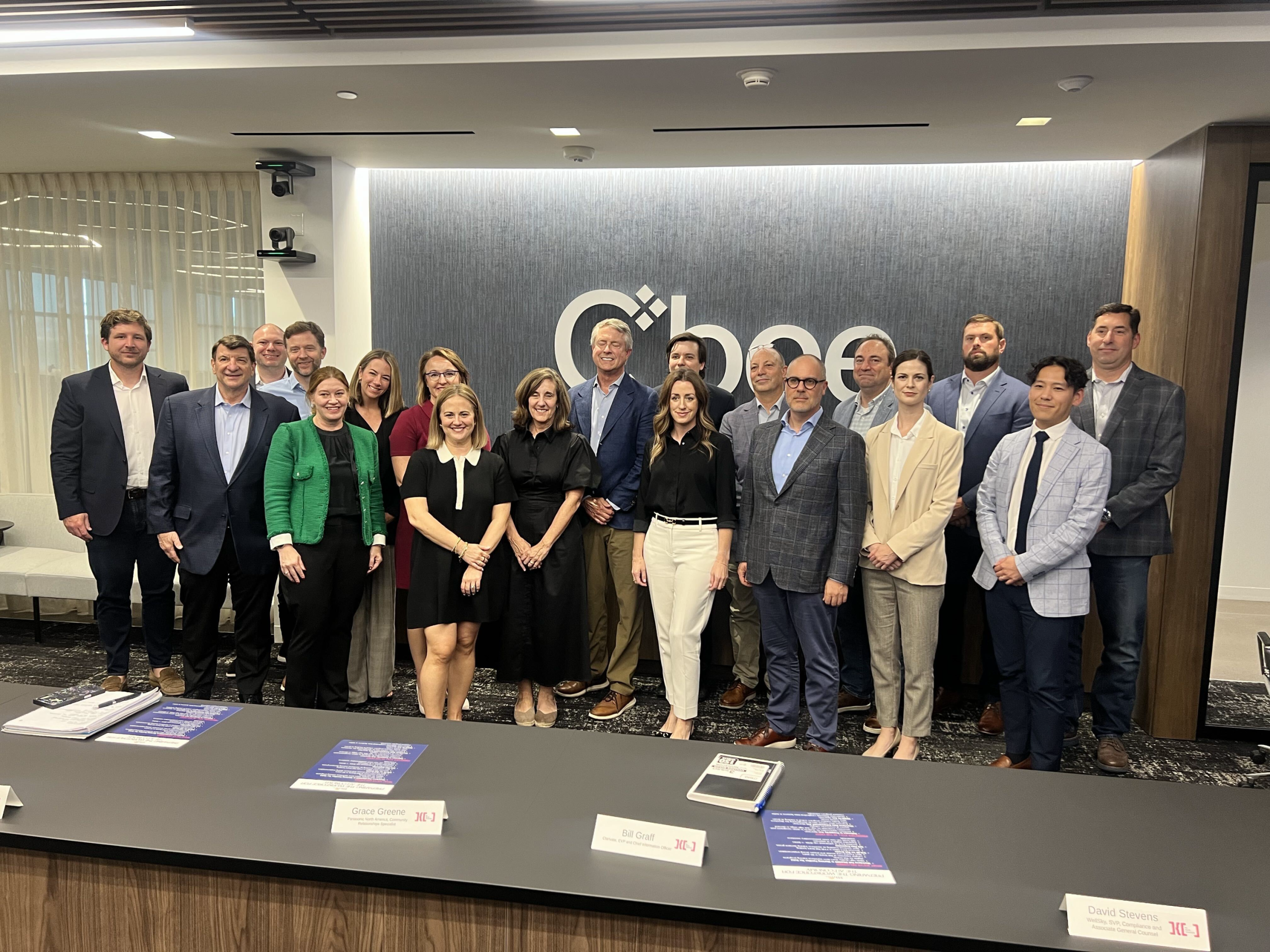
We brought together 20 leaders from across the region’s tech economy for a roundtable with U.S. Senator Roger Marshall (KS) at Cboe Global Markets. Business leaders from each company took a couple minutes to share their opportunities and challenges tied to Marshall’s work on the Senate Committee on Health, Education, Labor and Pensions (HELP).
Marshall’s take on AI regulation: skip the 50-state patchwork, go with one clear federal standard — what he calls his “Goldilocks” approach.
His workforce read: community colleges give the region its biggest lever, and he sees AI’s job impact echoing the agriculture sector, where employment share was lost over generations without collapsing the labor market.
Bringing Lawmakers Inside a Data Center
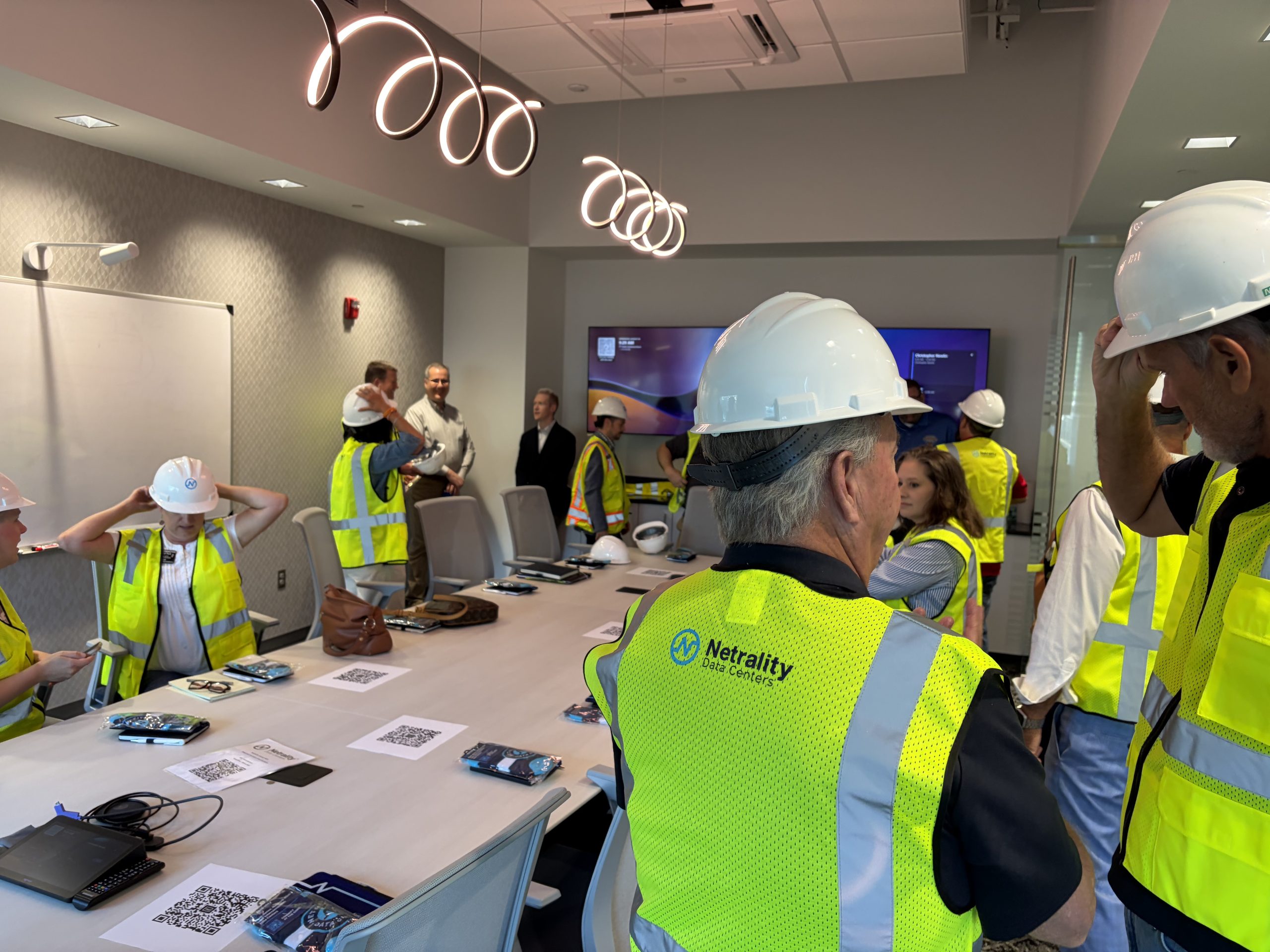

Netrality Data Centers opened its facility to Kansas legislators and staff twice, ahead of the next legislative session. The groups walked the floor of a working facility, standing next to the server rooms and hearing the backup generators.
The point: show lawmakers what these buildings look and sound like and explain how they work day-to-day before they vote on them. KC Tech Council Data Center Alliance experts provided answers to power, water and neighborhood impact questions that these leaders receive from communities regularly.
Why it matters: These tours give legislators a clear picture of what they’re regulating — sharing facts on economic and workforce impact, and answering community questions on siting, construction, jobs, revenue and utility costs.
Setting the Record Straight with Congressman Mark Alford (MO)


Congressman Mark Alford’s (MO) office hosted a public panel, “Truth Matters: Data Centers in America,” recorded as a podcast for an audience that doesn’t spend its days thinking about servers. The KC Tech Council recommended experts for the discussion.
What came out of it:
Monica Brisimitzakis — Patmos
Data centers have existed as long as the internet, she said, describing them as, at their core, “a stack of computers” — just a lot more of them. On the economics, she pointed to what’s happened in one Kansas City neighborhood since Patmos moved in: six to eight restaurants have opened in the East Crossroads.
Jason Klindt — Evergy
Took on a common misconception head-on. A dedicated substation runs about $26 million, he said, and any substation or transmission infrastructure used to serve a single customer is paid for by that customer. His conclusion: data centers aren’t part of what’s driving up costs.
Chris Teddy – JE Dunn Construction
Described sites running 1,200 workers continuously, with 200 people trained into the trades who had no construction background — and an 80% retention rate.
Justin Murray — Bell/Knott
Offered perspective on data center growth, noting that data centers come in a variety of sizes, and most support small enterprise companies. A lot of people don’t realize they’ve been living around data centers for 20 or 30 years, he said.
Advocating for Veterans in Tech
The week closed at Centriq, where KC Tech Council joined Congressman Alford and his staff to talk about VET TEC 2.0 funding and what’s standing between Missouri veterans and tech careers. Centriq stands as one of twelve schools nationwide approved to deliver the programming.
Of 4,000 approved veteran training slots since January 2025, roughly 2,700 sit unused — mostly because current law won’t allow online or virtual instruction.
Bottom Line
Advocacy is a key pillar of the KC Tech Council, and our continued strategic engagement in this space is shaping our sector’s future.

